!
Latest updates
Thailand Tourist Visas, Entry Rules and Visa Runs
Updated 11th Sep 2026
Frequent Flyer Programmes in Thailand: Which Is Worth Joining
Updated 10th Sep 2026
Andaman or Gulf: Five Thai Coasts, When to Go, and the Airport for Each
Updated 10th Sep 2026
Thailand Travel Tips: Riding, Rules and What to Carry
Updated 10th Sep 2026
Thai Phrases for the Airport: What to Say at a Counter or Gate
Updated 10th Sep 2026
Thailand Travel Tips
Updated 10th Sep 2026
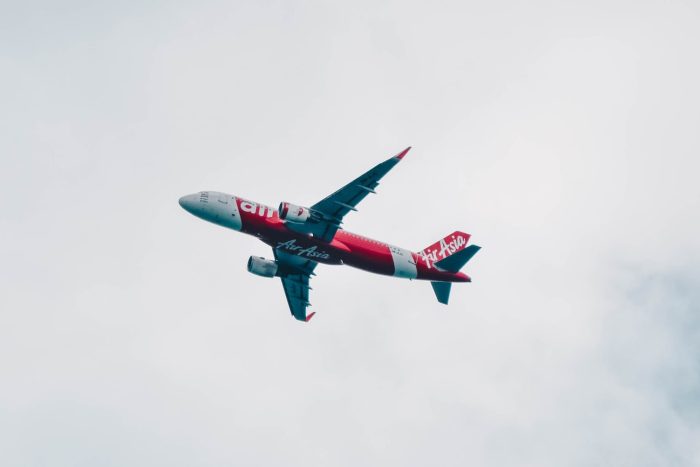
This page covers the rules that catch visitors out in Thailand: what you have to hold before you ride a motorbike, what to have on you when the police ask, and what is illegal to have in your bag. It also covers the one that belongs on a flight site, which is that foreign passengers must show a passport to board a domestic flight.
Riding a motorbike: the licence you actually need
A car licence does not cover a motorcycle here. Canada's travel advice states the rule plainly: it is illegal to operate a motorcycle without a valid Thai motorcycle licence, or an international driving permit (IDP) with a motorcycle endorsement. Australia's advice says the same thing in different words, that you need an IDP and your own national licence for the type of vehicle you are using.
Thailand is a party to both international road traffic conventions, the 1949 Geneva and the 1968 Vienna, so permits issued under either are the relevant instruments. Which of them you can obtain depends on the country issuing it: the UK government, for example, tells its licence holders to carry the 1968 permit and says you cannot buy one outside the UK.
Some rental companies will tell you otherwise. That is the Australian government's own wording, and its advice is not to ride anything your home licence does not cover.
Traffic drives on the left. When you are driving or riding, carry your identification, your licence and the vehicle registration book. Thailand's Motor Vehicle Act asks for a photocopy of the registration book rather than the original, which matters when a hire shop keeps the book.
Helmets, and what the hire shop hands you
Under Thai law both the rider and the passenger must wear a helmet. Hire companies and motorcycle taxis rarely provide them, so you may have to shop around to hire one.
Many helmets in Thailand do not meet international safety standards, Canada's advice adds. United States health advice for travellers goes further and suggests bringing a helmet from home, which is guidance rather than a legal requirement.
What can go wrong when you hire a motorbike
Three separate things can leave you exposed, and they are independent of each other: your own licence, the hire company's cover, and whether the machine is registered.
Your licence, and your travel insurance
Riding without a valid licence could invalidate your travel insurance, which is the policy that pays for medical treatment and getting you home. The UK advice puts it as being unable to claim after an accident or injury; Canada's is that claims could be denied if you were riding without a motorcycle licence.
Many UK policies expect you to hold the correct UK licence for the type of car, motorbike or scooter you intend to ride, which makes your entitlement at home the test rather than Thai law. If you would not be permitted to ride it in the UK, your insurer may not cover you for riding it in Thailand. Read the hire agreement as well, which can set its own limits on engine size and on the licences it accepts.
The hire company's insurance
Many vehicle hire companies carry no insurance of their own. If you have a motorcycle accident you could be responsible for damage, loss and the costs of injury to other people. Police may detain or arrest you until compensation is agreed, and Australia's advice warns that its embassy cannot help an Australian negotiate a compensation demand.
The machine itself
Motorcycles and scooters for hire in tourist areas are often unregistered, and an unregistered machine cannot legally be used on a public road. Rental scooters and motorcycles are also often poorly maintained, Canada's advice says, which makes them unsafe to their riders and to others on the road. That is a fault in the bike rather than in your paperwork.
Australia publishes a checklist for hiring: your own policy covers you, you hold a valid motorcycle licence, the hire company has comprehensive and third-party insurance, you know the excess you would pay after an accident, and you wear a helmet every time.
What the road safety figures say
The World Health Organization (WHO) put Thailand's road traffic death rate at 25.4 per 100,000 population in 2021, one of the highest in Asia, and ranked the country ninth out of 175 WHO member countries for road traffic deaths. Those figures come from the fifth Global Status Report on Road Safety, published in 2023 and available on WHO's road safety page for Thailand.
In 2021, WHO estimated 18,218 road traffic deaths, an average of 50 a day. Motorcyclists accounted for 83.8 per cent of all traffic deaths, and the age group most affected was 15 to 29.
Canada's advice is to avoid mountain roads at night, especially in the rainy season; it also records that drink-driving and accidents are much more frequent around 1 January and Songkran in mid April. United States health advice is to avoid driving at night generally, because street lighting in certain parts of the country may be poor. The rains do not arrive everywhere at once, and our guide to the best time to visit Thailand covers the months region by region.
You do not have to ride at all, and our guide to getting around Bangkok sets out the alternatives in the capital.
What to carry, and what never to hand over
Police may ask to see your passport. If you do not have it with you, you may be asked to produce it at a police station within 24 hours, and the UK government's advice is that a copy of the photo page is usually enough to carry day to day.
Do not hand your passport over as a guarantee. The UK advice gives motorcycle and jet-ski hire businesses as the example, and companies may hold on to a passport against claimed damage.
Entry rules, the arrival card and overstay are a separate subject and are covered in our guide to Thai tourist visas and visa runs.
Rules that catch visitors out
Vapes
Possessing or using any vape, e-cigarette, pod, e-liquid or heat-not-burn device is illegal in Thailand, and the UK advice states there are no exceptions for tourists or for personal use.
The penalties are serious: confiscation, heavy fines, detention and court proceedings, and you may be required to remain in Thailand until the case has been finalised. Australia's advice adds that producing, importing, transferring and selling these items is illegal, and so is concealing, disposing of, purchasing or receiving them.
Smoking
Smoking is banned in indoor public places, indoor workplaces and on public transport, and outdoors in a list of places the law names, among them markets, public parks and children's playgrounds. Breaking the ban carries a fine, and a smoking ban is in force on several beaches, where Canada's advice is to check with local authorities and look for the no-smoking signs first. Australia's description of the public areas covered includes beaches, markets and the entrances and exits of buildings.
Alcohol
The sale of alcohol is restricted between midnight and 11am. That restriction does not apply to licensed hotels, international airport terminals or authorised entertainment venues. The legal age for buying and drinking alcohol is 20, and sales can also be restricted on particular days, including religious holidays and voting days.
Promoting the consumption of alcohol is illegal, and both the UK and Canadian governments warn that this reaches social media: posting images of people drinking can be illegal, and both the person who uploaded them and the people in them could be fined or imprisoned.
Two further warnings apply to the drinks themselves. Deaths and serious illness have been caused by alcoholic drinks containing methanol in Thailand, small amounts of it can kill, and it cannot be identified by taste or smell. Drink spiking happens in tourist areas, with male and female victims, so do not leave a drink unattended or accept one from a stranger.
Cannabis
Cannabis use is restricted to medical purposes on a Thai-issued prescription, recreational use remains illegal, and taking cannabis out of the country without export permission from the authorities is a separate offence.
Drones and playing cards
A drone has to be registered with Thailand's National Broadcasting and Telecommunications Commission (NBTC) within 30 days of your arrival, or of buying one in Thailand, even if you do not intend to fly it. Separately, under the Playing Cards Act (1943) it is illegal to carry more than 120 playing cards.
The UK government's safety and security advice for Thailand is written for UK passport holders, and it carries most of the rules above in one place.
Conduct: temples, feet and Buddha images
Dress appropriately at temples, places of worship and traditional ceremonies. Showing the soles of your feet, and touching the top of a person's head, are insulting in Thai culture. If you are not sure what a particular place expects, ask locally.
There are strict regulations on taking images of the Buddha into and out of Thailand, which is a customs rule rather than a question of manners. Rules inside national parks and around wildlife are covered in our guide to ethical travel in Thailand.
Flying inside Thailand
Foreign passengers must present a passport for domestic flights within Thailand, and may be refused boarding without one.
Bangkok has two international airports and they are not interchangeable: Suvarnabhumi Airport (BKK) and Don Mueang Airport (DMK). Confirm which one you are departing from before you set out.
Which airline uses which of them is set out in our comparison of Thailand's domestic airlines, and transferring between Suvarnabhumi and Don Mueang has a guide of its own. What a domestic ticket includes, and what happens when a flight is delayed, is covered in our guide to domestic flight tickets.
For a particular route, the route pages carry the typical schedule and a booking form, for example Bangkok to Phuket.
Emergency numbers
| Service | Number |
|---|---|
| Police | 191 |
| Tourist police | 1155 |
| Fire and rescue | 199 |
| Ambulance and rescue | 1669 |
Frequently asked questions
Can a visitor ride a motorbike in Thailand on a car licence?
No. Riding a motorcycle calls for a Thai motorcycle licence, or an international driving permit carrying a motorcycle endorsement together with your own national licence for that type of vehicle. Neither a car licence nor a car-only permit makes it legal.
What does a visitor need to hold to ride a motorbike legally in Thailand?
An international driving permit that covers motorcycles, carried with your own national driving licence, or a Thai motorcycle licence. Carry the vehicle registration book as well, and wear a helmet: the law covers the passenger too.
Do you need a passport for a domestic flight in Thailand?
Yes, if you are a foreign passenger. You have to present it to board a domestic flight within Thailand, and you may be refused boarding without it.
Is it legal to take a vape into Thailand?
No. The device itself is the offence, whether or not you use it, and there is no exception for tourists or for personal use.